Curated by David A. Bailey and Jessica Taylor for the 57th Venice Biennale, Italy, 2018
- Exhibition Text
- Image Gallery: MANNA: Machine-Aided Neural Networking of Affect
- Artwork Text
- Documentation: #FakeBooze
- Documentation: Diaspora Pavilion Closing Programme
- Exhibition Catalogue
- Artist Interview (Video)
- BBC Documentary
- Press Coverage

Exhibition Text
Diaspora Pavilion was a major exhibition which was conceived as a challenge to the prevalence of national pavilions within the structure of the Venice Biennale. It took its form from the coming-together of nineteen artists whose practices in many ways expand, complicate and even destabilise diaspora as a term, whilst highlighting the continued relevance that diaspora as a lived reality holds today.
The exhibition formed part of the 22-month professional development programme designed to deliver support and opportunities for career advancement and international showcasing for 12 emering, UK-based artists from diasporic backgrounds who were selected from a nation-wide open call. As part of the programme, the artists also engaged in mentoring from ten selected artists who had become leaders in their fields . During the length of the project, the emerging practitioners took part in group forum, field-trips, one-on-one mentoring sessions and group masterclasses. The 12 emerging artists and 8 of the mentors showcased their work in the Diaspora Pavilion exhibition in Venice in 2017 during the 57th Venice Biennale, a re-configuration of which was installed at the Wolverhampton Art Gallery in 2018 with a combination of new works and those shown in Venice by seven of the artists. The exhibition in Venice featured 33 new and existing artworks, many of which responded directly to the architecture of the Palazzo it was installed within. During the exhibition’s 7-month run, we welcomed over 50,000 visitors from around the world.
Venice Artists: Larry Achiampong, Libita Clayton, Kimathi Donkor, Ray Fiasco, Michael Forbes, susan pui san lok, Paul Maheke, Khadija Saye, Erika Tan, Barbara Walker and Abbas Zahedi
Mentors: Sokari Douglas Camp, Ellen Gallagher, Nicola Green, Joy Gregory, Isaac Julien, Dave Lewis, Hew Locke, Vong Phaophanit & Claire Oboussier and Yinka Shonibare MBE
The discourse of the exhibition was expanded upon through a performance by Barby Asante during the opening event on the 10th of May 2017, titled ‘As Always a Painful Declaration of Independence’, and a robust closing programme.
Curated by: David A. Bailey and Jessica Taylor
Presented by: International Curators Forum (ICF) in partnership with UAL
Supported by: Arts Council England, Bloomberg Philanthropies
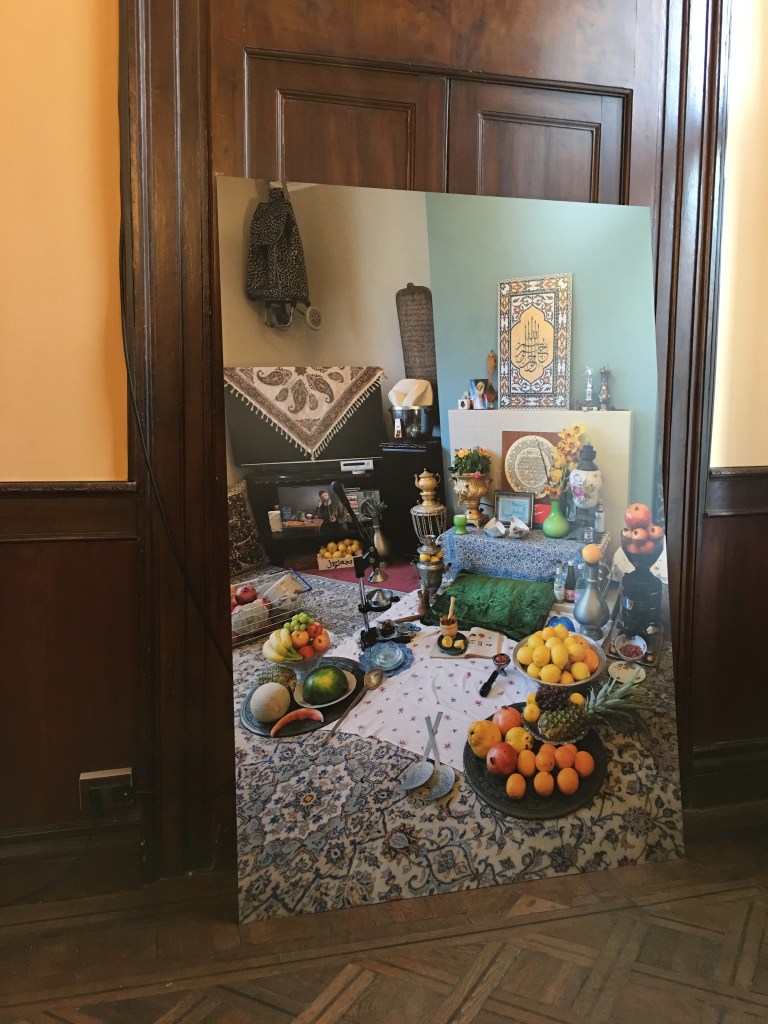
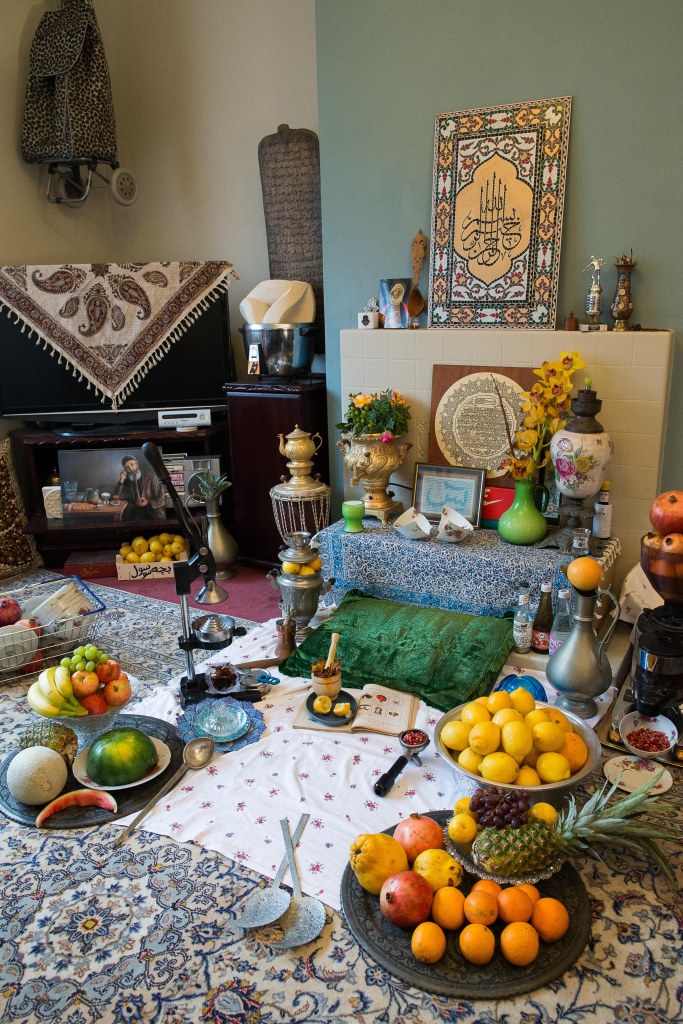
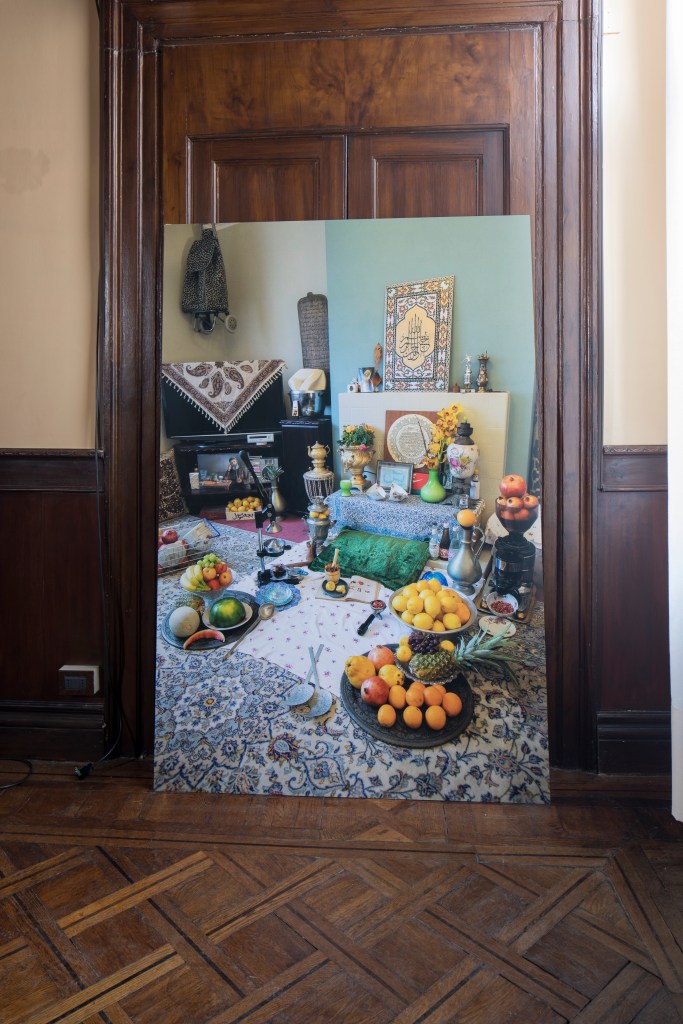
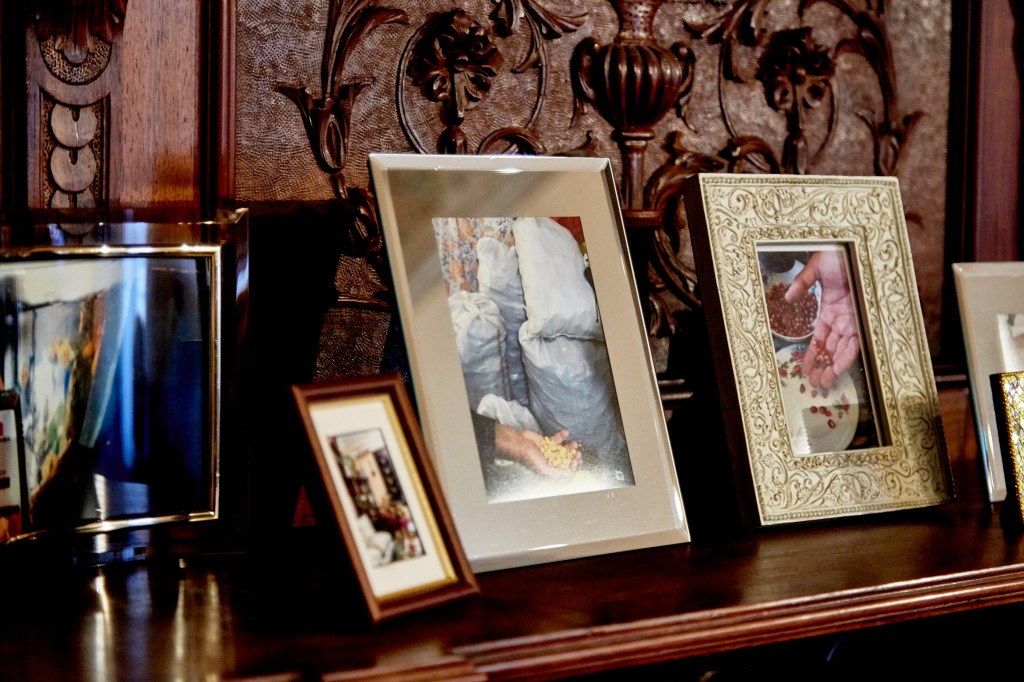
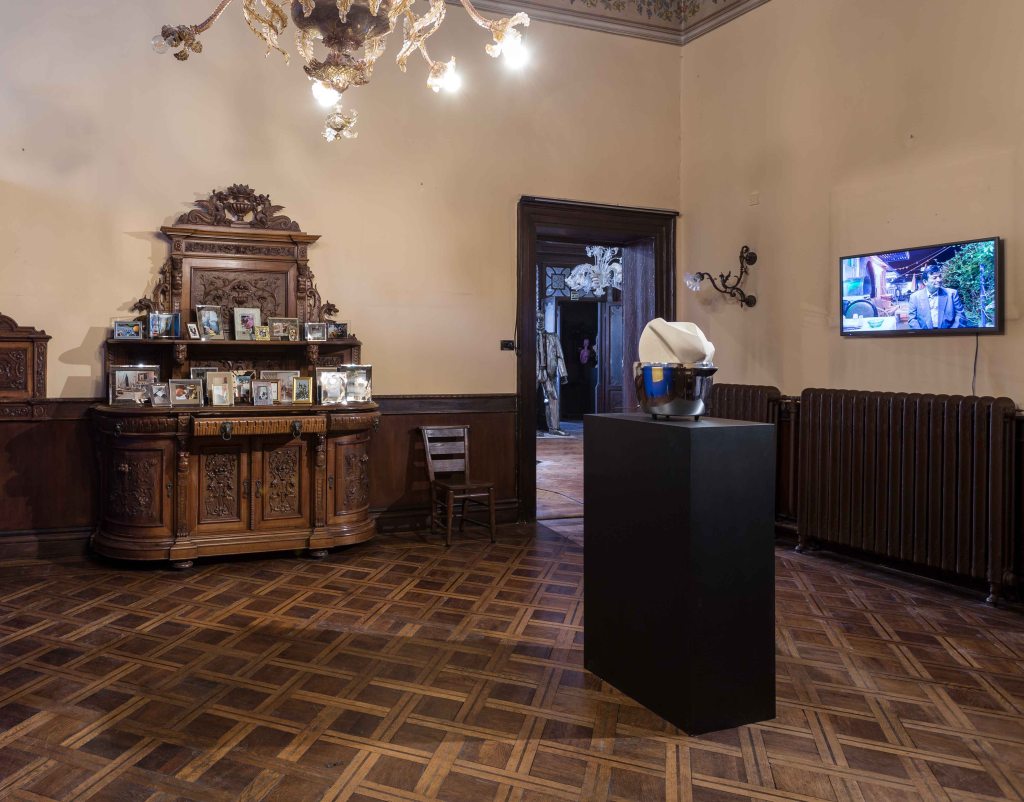
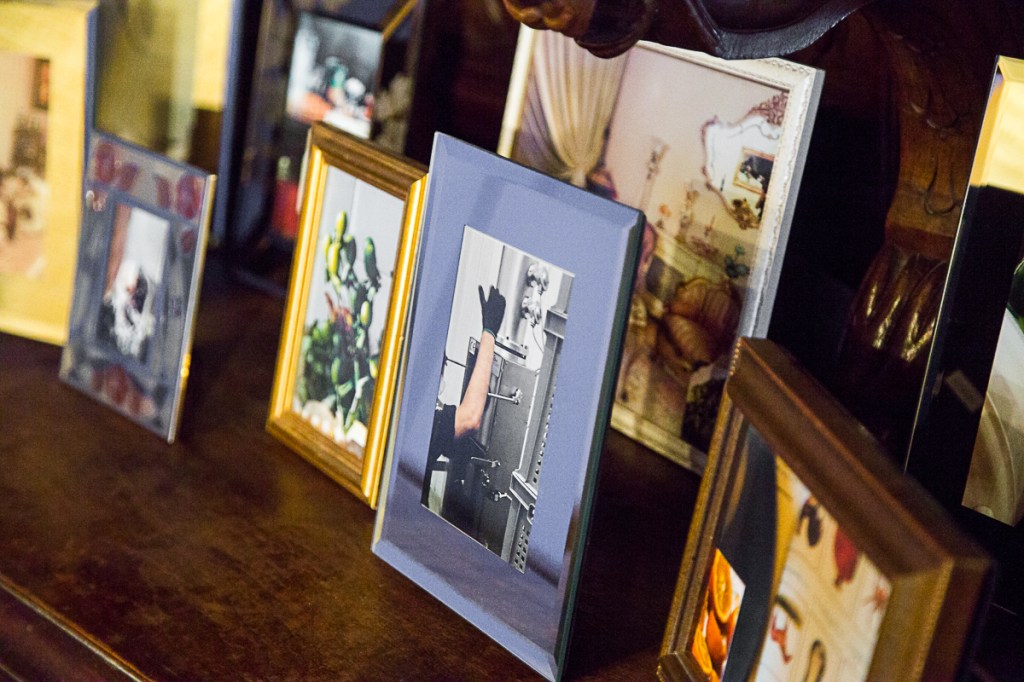
Image Gallery: MANNA: Machine-Aided Neural Networking of Affect





Artwork Text
Abbas Zahedi’s practice is influenced by his concept of neo-diaspora – as the predicament of being a second or third generation migrant. For the artist, this reality is no longer marked by the traditional understanding of diaspora, as a movement from the margins to the metropole; but instead, it is a process of survival within a complex and transitional state of belonging to multiple imaginal spaces.
His work critically reflects on the failings of multiculturalism, questioning methods of integration from cultural, rather than social or economic grounds. Through his work Zahedi is observing his position and formulating a mode of existence that will enable him to engage socially, whilst at the same time processing a multitude of traumatic events.
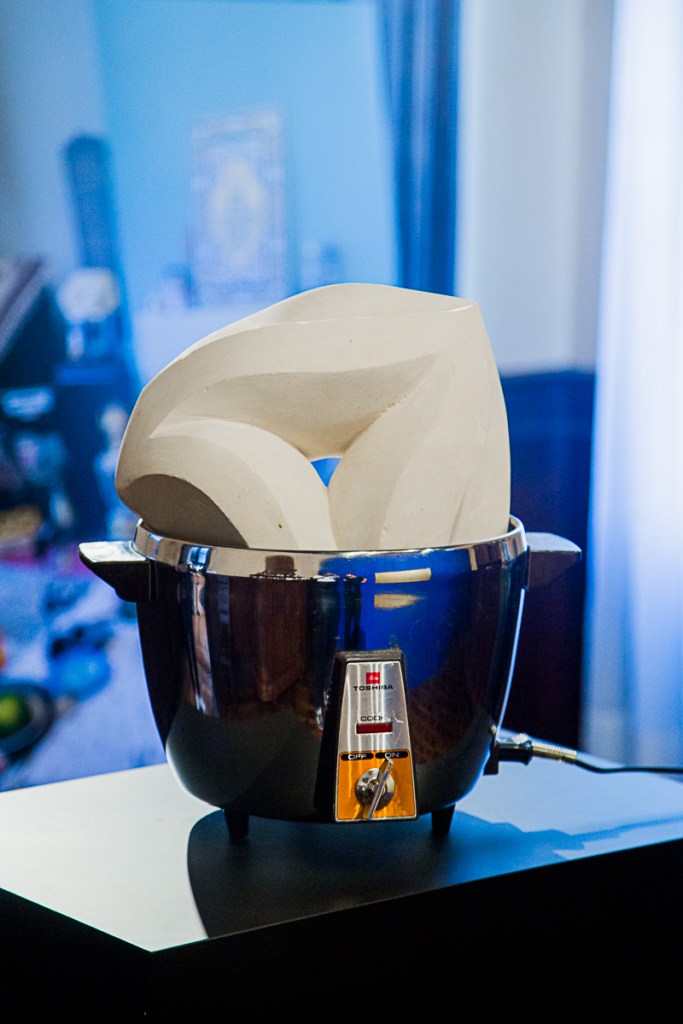
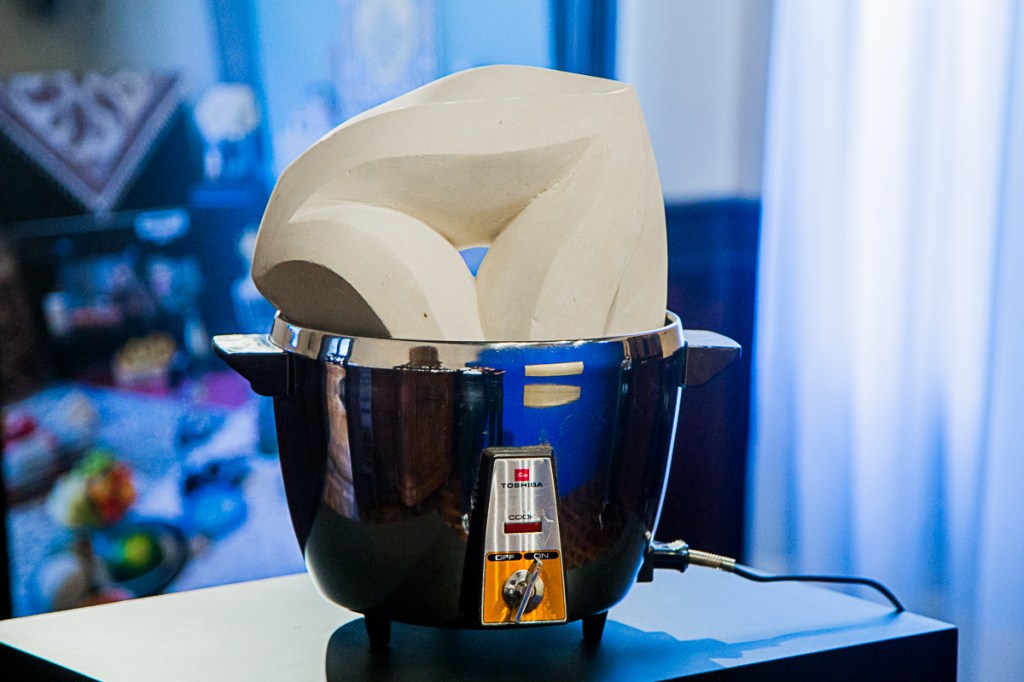
For the Diaspora Pavilion, Zahedi has produced MANNA (Machine Aided Neural Networking of Affect), a site-specific installation that interrogates the ways in which culture is consumed, shaped and appropriated in relation to technology and networking platforms. The acronym refers to a process of transformation, which he himself has undergone to cope with the affective outcomes of his predicament. Zahedi connects these ideas to the proliferation of artisanal food and drinks making, which he has adopted into his practice, as it links directly to the history of his family, who were ceremonial drinks makers in Iran.
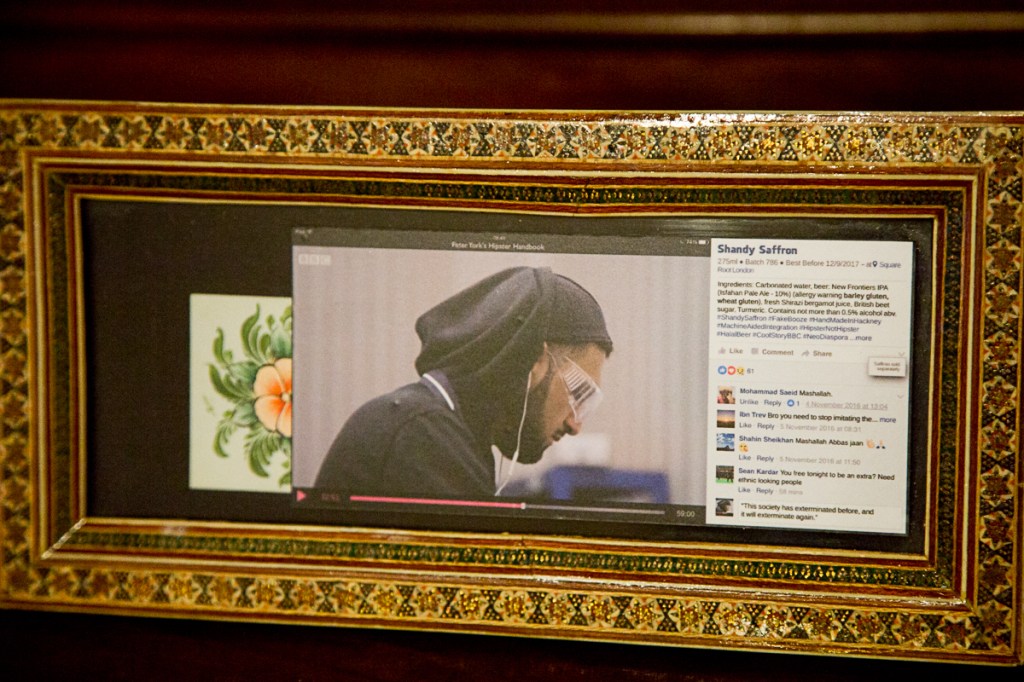
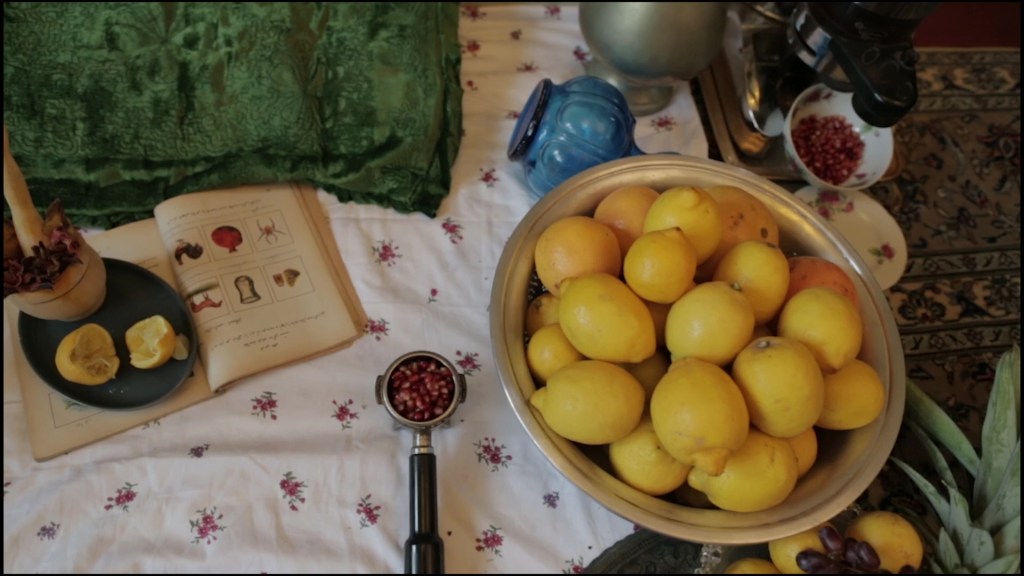
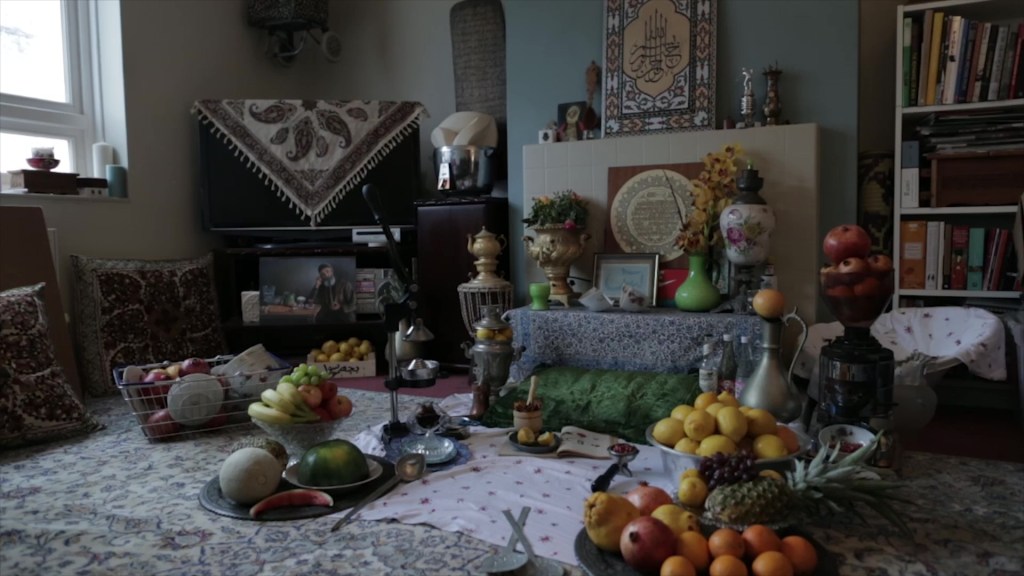
In the space Zahedi presents a large scale print of a scene from his home in London. This features inherited and found objects that are reflected against intimate moments; correlating the privacy of domestic portraits with the hidden layers of algorithmic networks. A video loop captures fleeting memories of a figure sitting on his rooftop in Tehran as he faces a sculpture in the form of maternal memento; acquiescing the seeking of cultural heritage into new avenues of consumptive behaviour. These visual elements are paired with a sound work, in which we hear the artist manually bottling drinks – an inadvertent grieving ritual that he underwent for hundreds of hours, culminating in the production of the beverages that are housed in one of the large cabinets and also feature in his site-specific performance #FakeBooze. source
—International Curators Forum, 2017
Documentation: #FakeBooze
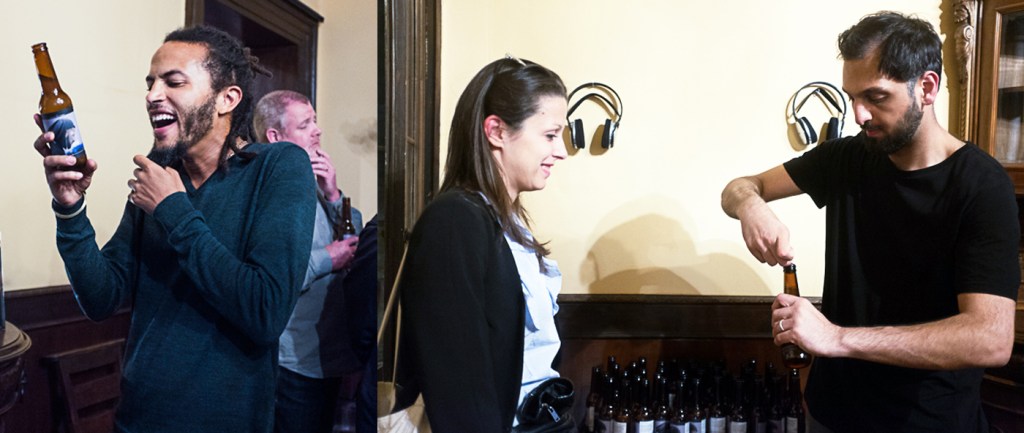
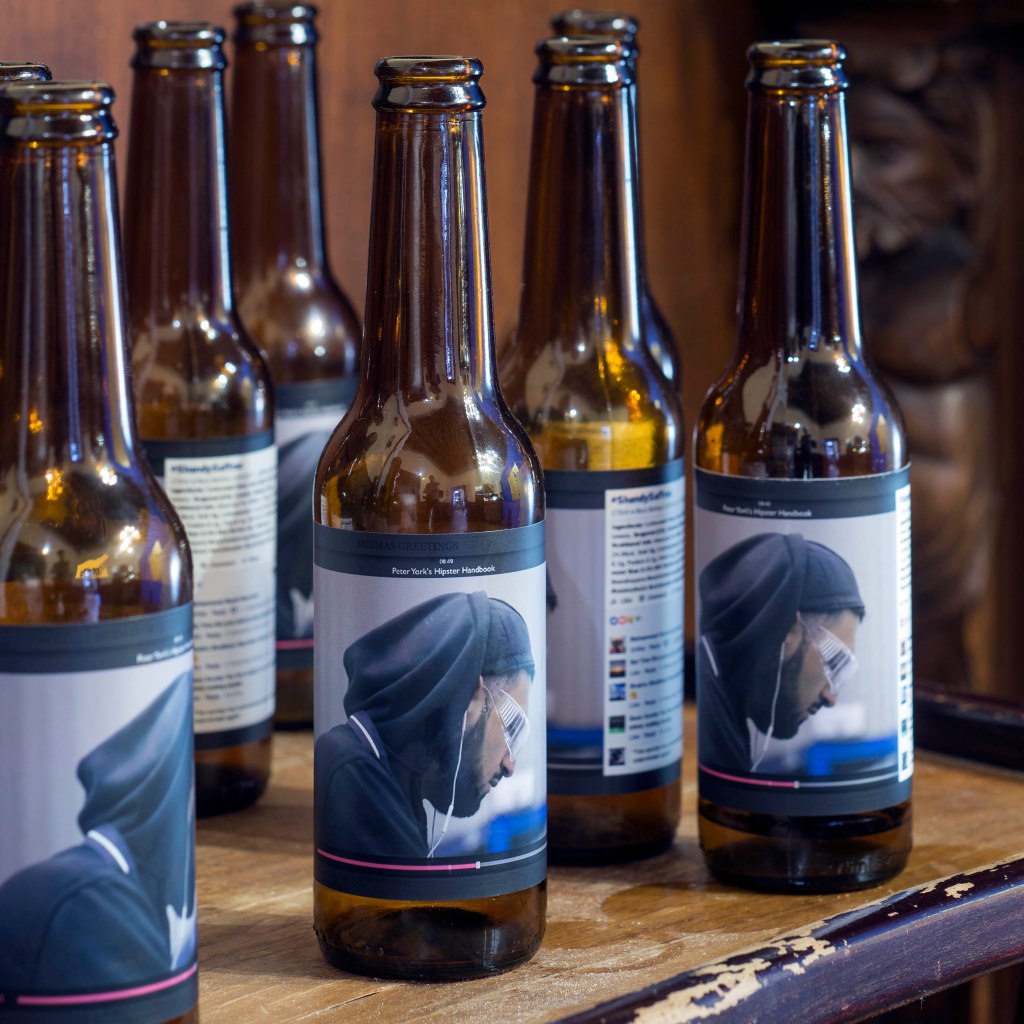


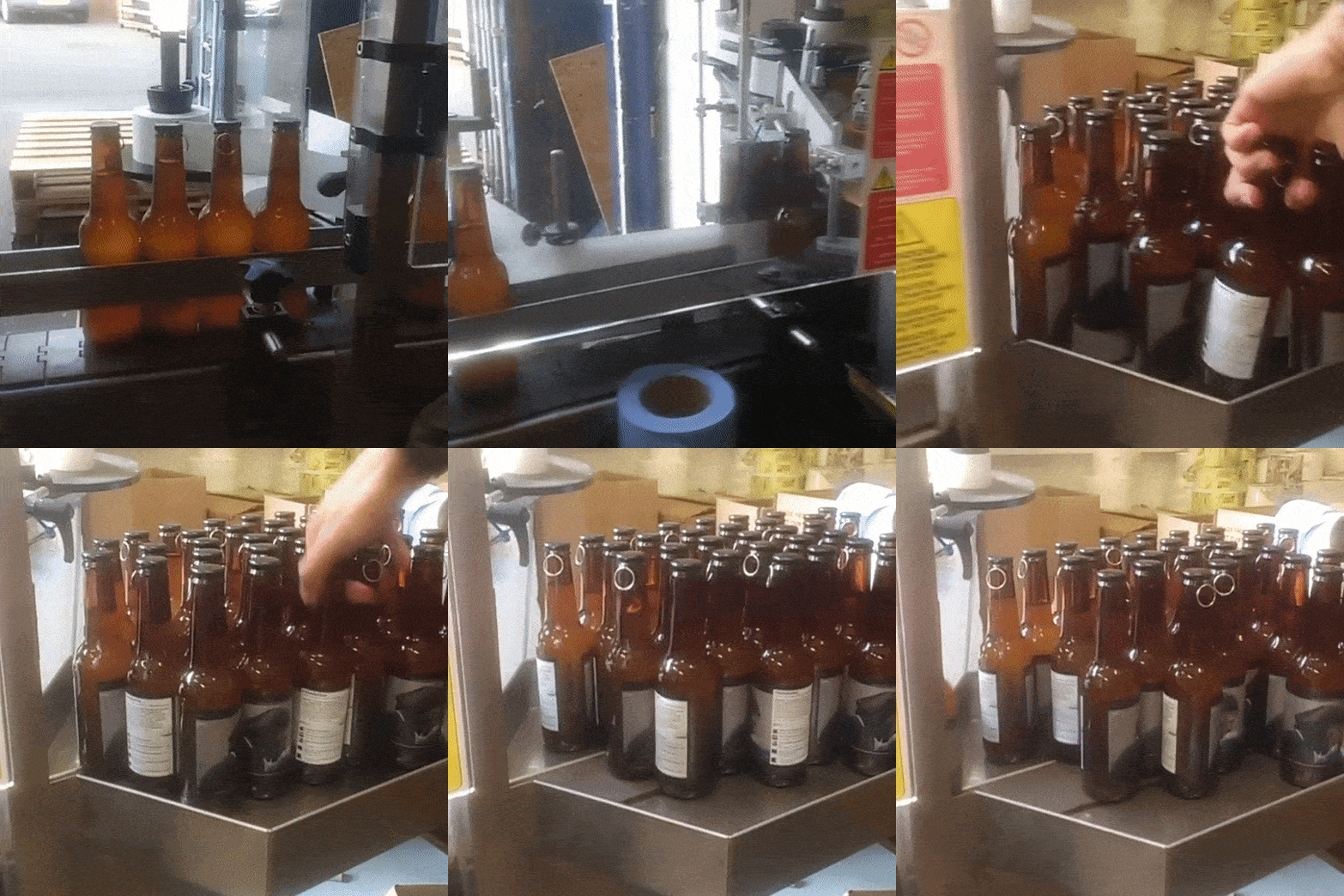
#FakeBooze was a one day performance for the launch of the Diaspora Pavilion in 2017. Here, Zahedi distributed over 500 bottles of a handmade drink called Shandy Saffron – a real shandy that did not contain any Saffron. The drinks were subsequently available throughout the course of the exhibition and displayed as part of my site-specific installation MANNA: Machine-Aided Neural Networking of Affect.
Collaborators: Ed Taylor & Square Root London
Documentation: Diaspora Pavilion Closing Programme

To mark the closing of the Diaspora Pavilion exhibition in Venice, ICF produced a weekend-long closing programme of performances, screenings and talks in collaboration with Arts Territory and with the support of the Art Fund.
Programme participants: Barby Asante, Libita Clayton, Kimathi Donkor, Michael Forbes, susan pui san lok, Griet Menschaert, Katarzyna Perlak, Joanna Rajkowska, Justyna Scheuring, Erika Tan and Abbas Zahedi
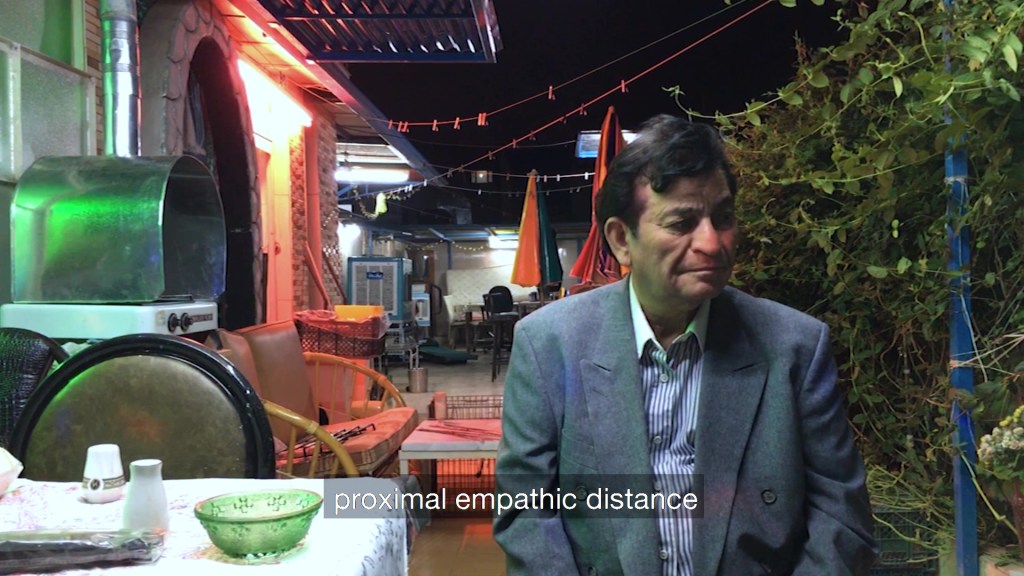
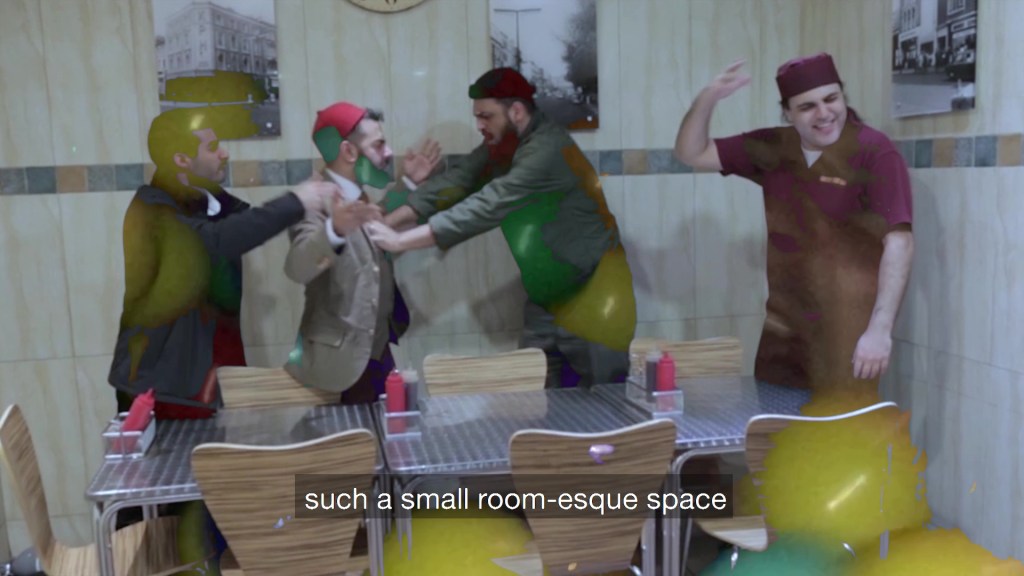
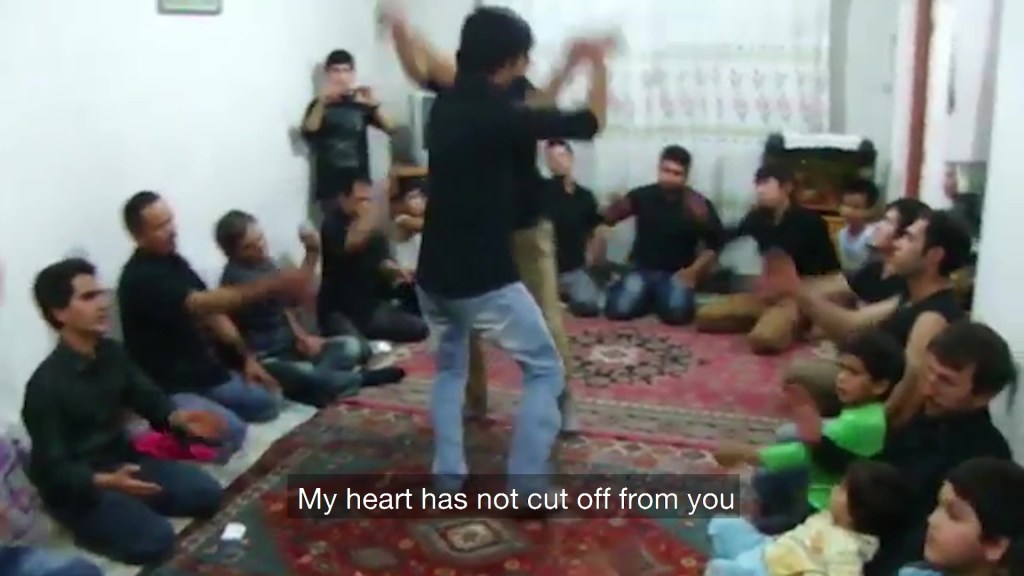
Zahedi’s lecture performance–cum–video, Me, Myself & A I I I builds upon the research he undertook for the Diaspora Pavilion (Venice, 2017) as well as pulling together narratives from MANNA: Machine-Aided Neural Networking of Affect as this installation unfolded. The script was generated with the use of a machine learning code Zahedi developed and trained using text related to his research, writing and messages exchanged with my family, which then led him to develop a soundtrack around Google’s voice assistant API and field recordings; this was all then subsequently put to visuals from the MANNA archive – a personal library built up over the course of the Diaspora Pavilion show.
Me, Myself & A I I I has subsequently been screened in the following exhibitions:
— Body Politics and Mental Territory, DOCLISBOA, Lisbon, 2019
— Beyond the Body curated by Mania Akbari, Wolf Cinema, Berlin, 2019
— Diaspora Pavilion, Wolverhampton Art Gallery, 2018
Read Laura O’Leary’s review of the artwork here


Exhibition Catalogue
Artist Interview (Video)
BBC Documentary
BBC copy: Brenda Emmanus follows a group of emerging, diverse artists as they launch the first ever Diaspora Pavilion in a Venetian palazzo during the Venice Biennale – the so-called Olympics of modern art. One of the artists we meet is 24-year-old photographer Khadija Saye, who died on 14 June in her home. We follow Khadija and the other emerging artists as they discover new art inspiration across the city, navigate networking at VIP launch parties and, most importantly, find out what the critics’ and tastemakers’ verdict is on the exhibition’s opening night.
All copyrights and credits belong to the BBC: bbc.co.uk/programmes/b094f49n
Press Coverage
- Venice Biennale 2017 Review, Raju Rage for A.N. source
- Curating Otherness. A Selective Reading of the Diaspora Pavilion at the 2017 Venice Biennale, Marco Meuli for OnCurating, Issue 41: Centres⁄Peripheries – Complex Constellations source
- Full list of press coverage available here
Further information about the Diaspora Pavilion can be found on the International Curators Forum (ICF) website source
 Abbas Zahedi عباس زاهدی abbzah.com