1. Introduction to My Practice
A large part of my practice focuses on interdisciplinary and socially engaged methods, often using sound as a medium for fostering dialogue, collaboration, and context-driven interventions.



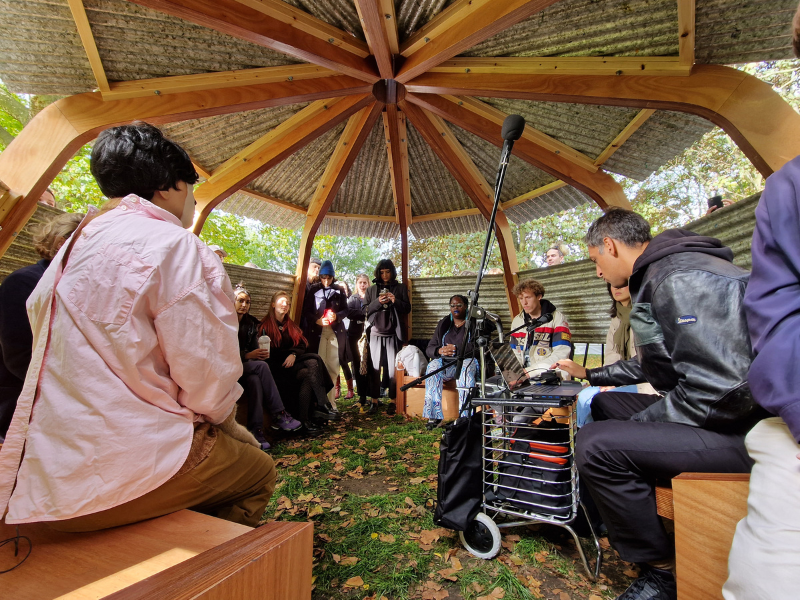


Working with schools to develop creative educational initiatives:
2. Sonic Signals
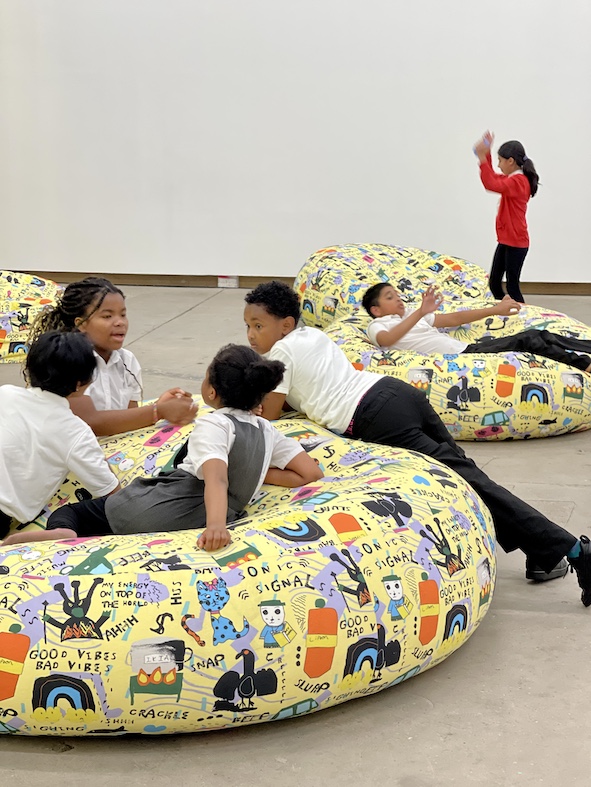
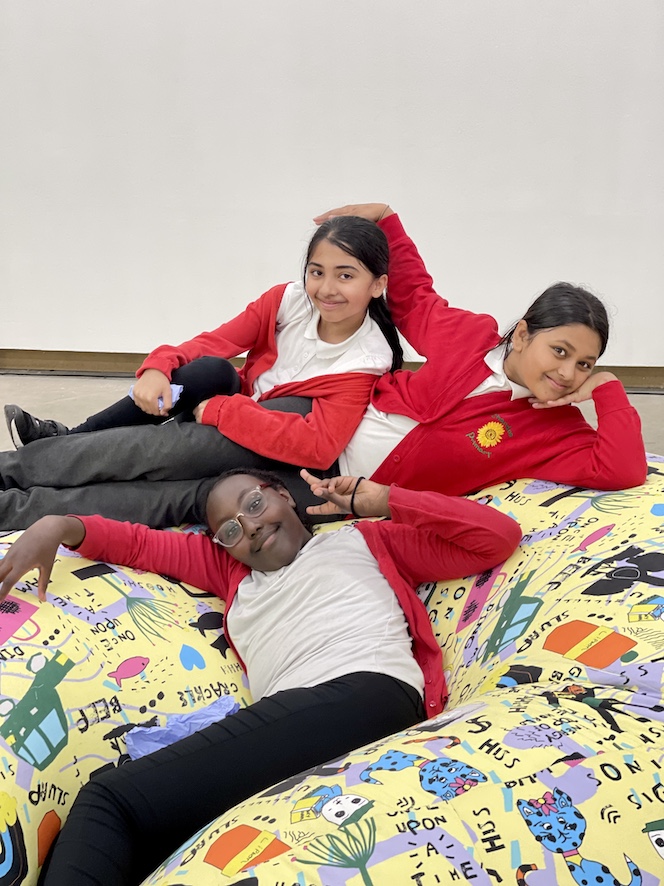
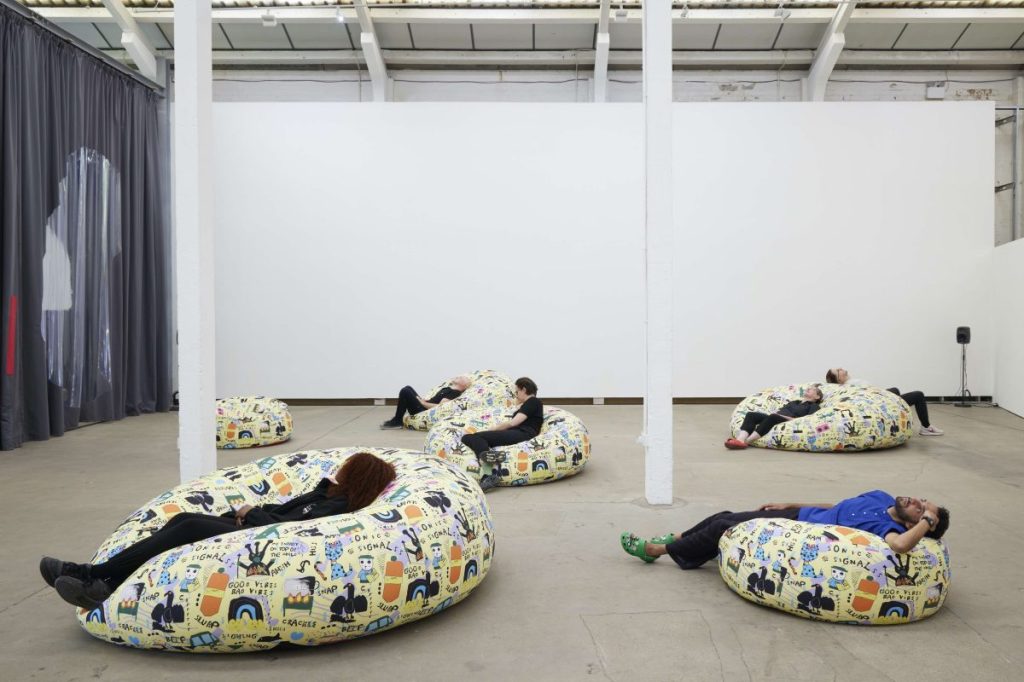
Sonic Signals was founded in collaboration with Eastside Projects (Birmingham) and Chandos Primary School, as an experimental platform connecting a school with a local gallery through an after-school radio club.

Key details:
• Year-long project with children aged 9–10 (and others across years 1–6).
• Workshops exploring sound recording, loop-making, interviewing, and audio description.
• Engagement with teachers for Continuing Professional Development.
• Public exhibition of children’s sound compositions at Digbeth First Friday.

3. Context and Collaboration
The project originated from a shared interest between myself, Eastside Projects, in creating participatory art that could directly engage communities.
The relationship evolved through mutual feedback, allowing both students and educators to shape the project’s direction.

4. Successes and Challenges
Successes:
• Empowering children to find confidence in their voices.
• Fostering creativity and technical skills in an inclusive environment.
• Engaging the wider community through a public exhibition.

Challenges:
• Adapting to varied learning paces and technical access.
• Staffing and resources of the school were limited and the gallery had to compensate for this.
• Development and scalability of the project requires substantial funding and new partnerships.
5. Lessons Learned
Sonic Signals reinforced the importance of flexibility, inclusivity, and the value of using simple tools to create meaningful outputs. It also highlighted how sound can connect diverse groups and amplify often-overlooked voices.

6. Reflections on Arts in Schools Report
Sonic Signals demonstrates how accessible artistic practices can foster emotional resilience and collaboration, aligning with the report’s vision for future arts education. With emphasis on integrating creative practices into education deeply resonant as per Sonic Signals approach.
7. Future Directions
Aim to expand Sonic Signals as a modular, scalable curriculum in partnership with schools and cultural institutions.
Incorporating digital tools, workshops, and collaborative platforms, hoping to bridge gaps between art, technology, and education.

 Abbas Zahedi عباس زاهدی abbzah.com